Introduction
As we move through 2026, the art of visual storytelling in cinema has transcended traditional boundaries. Directors, cinematographers, and visual artists are continuously redefining how stories are told on screen, encapsulating complex emotions and narratives through innovative techniques. The evolution of technology and audience preferences has led to a rich tapestry of styles and methods that filmmakers embrace today.
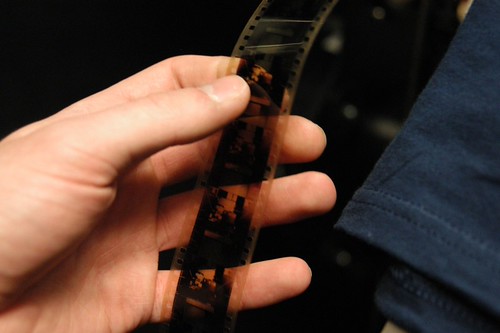
The Importance of Visual Storytelling
Visual storytelling is more than just pretty images on a screen; it’s about crafting a narrative through visuals that resonate with the audience on a deeper level. Here are a few reasons why visual storytelling is crucial in modern cinema:
- Emotion Conveyance: Emotions can be conveyed without a single word being spoken. The use of color, lighting, and composition plays a vital role in setting the tone.
- Engagement: A captivating visual can draw viewers in, keeping their interest piqued throughout the film.
- Symbolism: Visual elements can serve as metaphors, enhancing the narrative and adding layers of meaning for the audience to unpack.
Emerging Techniques in Visual Storytelling
With 2026 marking a pivotal year in cinema, several emerging techniques are shaping visual storytelling:
1. Enhanced Color Grading
Filmmakers are leveraging advanced color grading techniques to evoke specific emotions and create distinct moods for their films. The vibrant colors in a romantic scene can raise feelings of love and joy, while subdued tones in a dramatic moment can convey despair or tension.
2. Dynamic Camera Movement
Gone are the static shots of yesteryears; dynamic camera movements such as drones, gimbals, and handheld shots are used to immerse audiences into the actions happening on screen. This technique allows viewers to feel as if they are part of the story, enhancing their connection to the characters.
3. Mixed Media Integration
Filmmakers are increasingly combining live-action with animations, graphics, and augmented reality elements, creating a hybrid storytelling format that captivates audiences. This approach invites viewers into fantastical worlds while maintaining a semblance of realism.
4. 360-Degree Filmmaking
The rise of virtual reality has ushered in a new dimension of storytelling. Filmmakers are experimenting with 360-degree cameras, allowing audiences to choose their perspective and engage with the story in an interactive manner. This technique transforms the viewer from a passive observer to an active participant in the narrative.
Trends Influencing Visual Storytelling in 2026
The landscape of visual storytelling is continuously shifting, influenced by various trends:
1. Focus on Diversity and Representation
As audiences become more diverse, filmmakers are embracing unique perspectives and stories that resonate with a broader audience. This includes varied cultural representations, which leads to richer visual storytelling that reflects the world we live in.
2. Sustainability in Production Design
Many filmmakers are adopting sustainable practices in set design and production. Using eco-friendly materials not only lessens environmental impact but also allows for unique visual aesthetics that stand out to an environmentally conscious audience.
3. The Rise of Social Media Aesthetics
Social media has drastically altered our visual expectations. Filmmakers are now crafting visuals that are shareable and designed to pop on social platforms, making them appealing for a demographic that spends a significant amount of time online. This trend influences everything from color palettes to shot composition.
4. Minimalism and Simplicity
In contrast to the elaborate visuals of the past, there is a growing trend toward minimalism in visual storytelling. This approach focuses on simplicity and clarity, allowing the narrative and character development to shine through without overwhelming the audience with visuals.
The Future of Visual Storytelling
As we look ahead, the future of visual storytelling in film promises to be an exciting journey. With advancements in technology, changing audience demands, and the creative vision of filmmakers, we can expect to see:
- Further Integration of AI: Artificial Intelligence will likely play a significant role in editing, color grading, and even script analysis, streamlining production and enhancing creative possibilities.
- More Immersive Experiences: Audiences will continue to seek immersive storytelling experiences, leading filmmakers to explore cutting-edge techniques that transcend traditional viewing.
- Collaborative Projects: We can anticipate more cross-genre collaborations, blending formats and styles to create unique cinematic experiences that challenge traditional boundaries.
Conclusion
Visual storytelling remains a cornerstone of cinema, evolving with each passing year. In 2026, filmmakers are embracing a plethora of techniques and trends that enhance the way stories are told. As technology progresses and audiences evolve, the art of visual storytelling will undoubtedly continue to push boundaries, ensuring that the magic of cinema remains alive and well.