The Changing Landscape of Filmmaking in the Social Media Age
As we navigate through 2026, the world of filmmaking is undergoing a dramatic transformation due in large part to the pervasive influence of social media. Platforms like TikTok, Instagram, and Twitter are not just for sharing quick snippets or personal updates; they have become vital arenas for filmmakers to engage with audiences, market their projects, and shape their creative narratives.
The Rise of User-Generated Content
User-generated content (UGC) has changed the way filmmakers approach storytelling. With the accessibility of high-quality cameras on smartphones, anyone can create and share films, leading to a proliferation of unique voices and perspectives. This phenomenon encourages diversity in storytelling, as more creators from varied backgrounds find a platform to showcase their work.
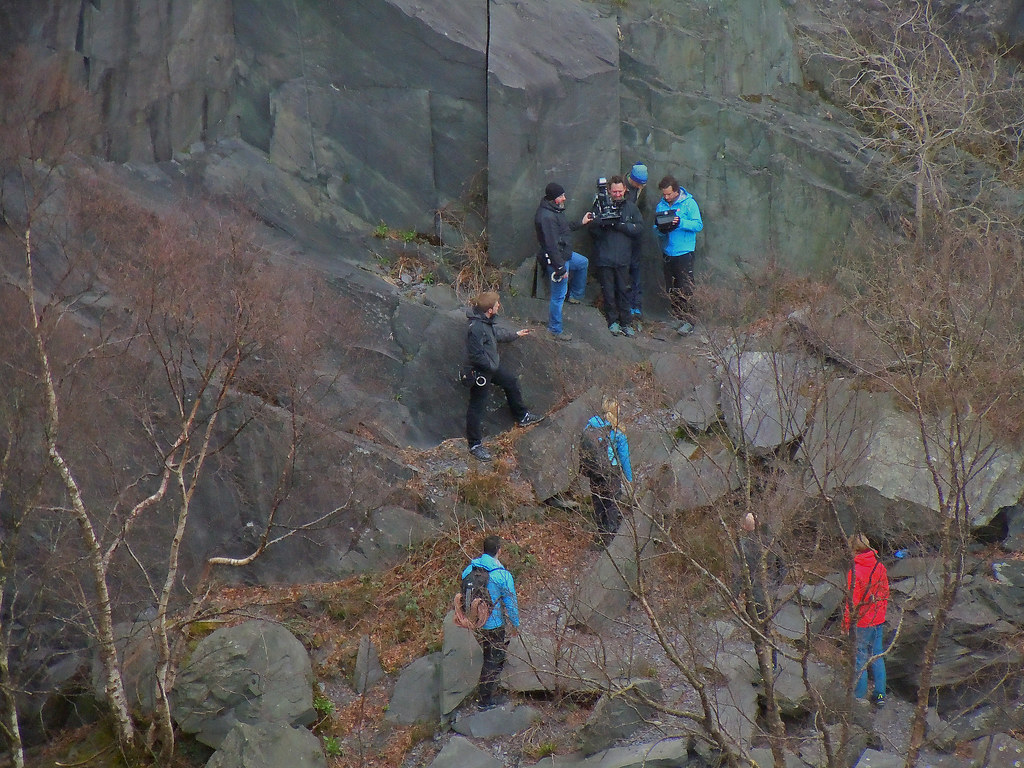
- Emerging Filmmakers: Many new filmmakers are leveraging social media to build their brands, engaging followers by sharing the filmmaking process itself — from behind-the-scenes content to live Q&A sessions.
- Audience Engagement: Filmmakers can interact directly with their audiences, receiving real-time feedback that can shape their projects and marketing strategies.
- Community Building: Filmmakers are creating niche communities around specific genres or themes, fostering loyal audiences who eagerly anticipate new releases.
Marketing Films in the Digital Age
Traditional marketing strategies are fading, making way for innovative campaigns driven by social media. Here are a few key strategies popular among filmmakers in 2026:
- Teasers and Trailers: Short teaser clips released on platforms like TikTok can generate buzz and anticipation for upcoming films.
- Influencer Collaborations: Collaborating with social media influencers can reach wider audiences, especially among younger demographics who trust these personalities.
- Interactive Content: Polls, quizzes, and interactive posts help maintain audience interest and engagement leading up to a film’s release.
Challenges of Social Media in Filmmaking
While social media offers many opportunities, it also presents challenges:
- Saturation: With the sheer volume of content available, standing out can be difficult, requiring filmmakers to be innovative and strategic in their marketing efforts.
- Negative Feedback: Direct audience engagement also means immediate, sometimes harsh criticism, which can be daunting for new creators.
- Time Management: The demand for consistent posting can detract from the time filmmakers need to focus on their projects.
The Future of Film Distribution
The intersection of social media and film distribution is becoming increasingly important. Traditional distribution methods are evolving, and social media plays a crucial role in this transformation:
- Direct-to-Consumer Models: Filmmakers are now distributing content directly to audiences via their own social media channels or subscription-based platforms.
- Global Reach: Social media enables films from diverse cultures to find audiences worldwide, breaking down geographical barriers to viewing.
- Event Promotions: Live streaming platforms combined with social media allow for virtual premieres, expanding audience access.
Conclusion: Embracing the Future
As filmmakers continue to navigate the intersection of social media and filmmaking in 2026, adaptability and creativity will remain key to success. The ability to harness the power of social media not only enhances visibility and engagement but also enriches the storytelling process itself. With new tools at their disposal, filmmakers can seize the moment to connect with audiences in ways previously unimaginable, ensuring their stories reach the hearts and minds of viewers around the globe.